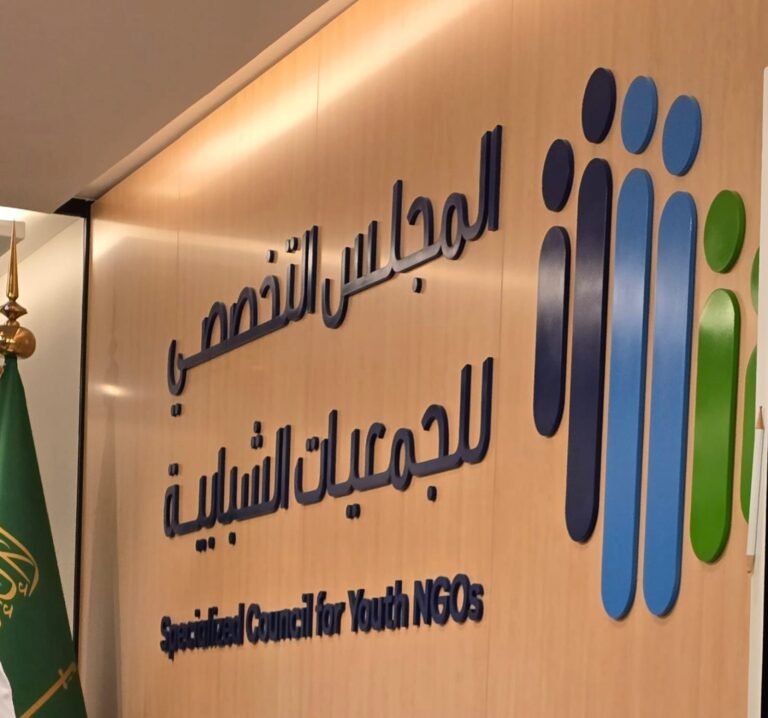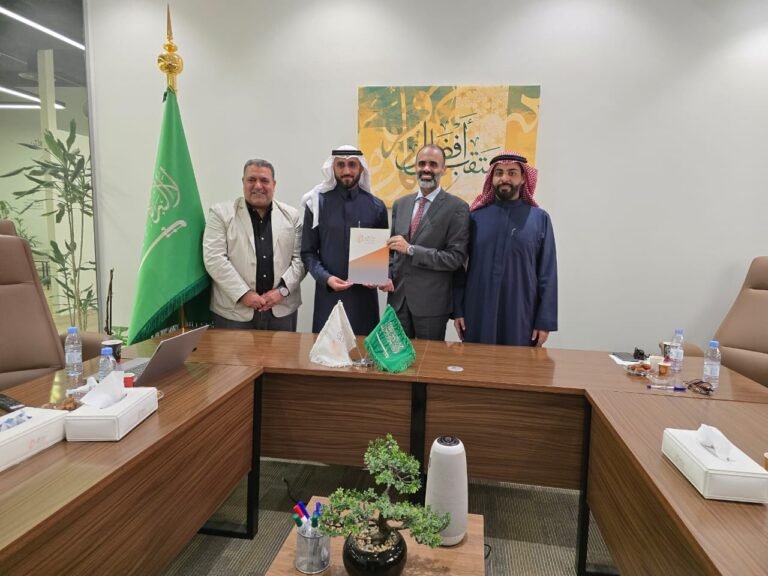
Alathar Center hosts Erasmus to explore capacity building for the non-profit sector
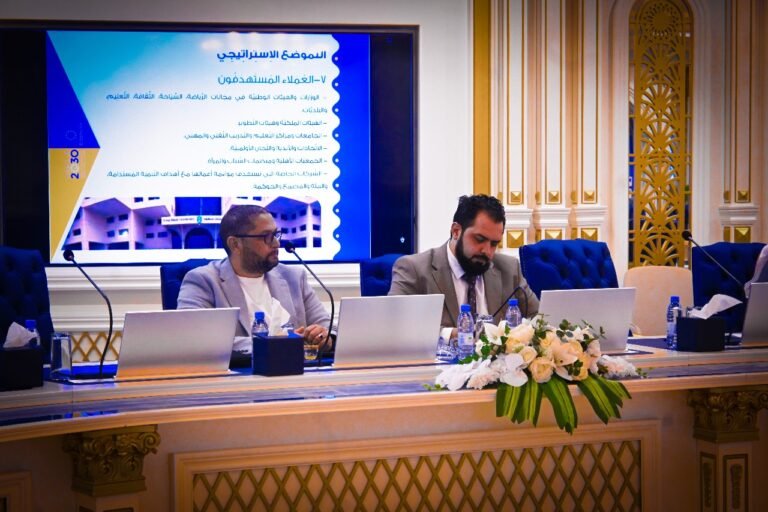
Discussions on capacity building for the non-profit sector, national models and joint studies — paving the way for a partnership agreement.
Ideas need ecosystems, not introductions. Turning European research and start-up capability into Saudi opportunity requires structure on both sides.
In this article
Europe’s universities, research institutions and start-up ecosystems produce a steady flow of new technologies and methods. Across Saudi Arabia and the wider region, organizations are looking for innovation partners that can help them move faster. Connecting the two sounds straightforward. In practice, most introductions between them never become projects.
“Ideas need ecosystems, not introductions.”
Researchers and start-ups need a clear problem to solve, a partner willing to pilot, and a route to funding. Organizations looking for innovation need confidence that a technology is mature enough, that intellectual property is handled properly and that the partner can support implementation. An introduction addresses none of these conditions on its own.
Innovation cooperation is not a one-direction transfer. European organizations gain access to new markets, real-world testing environments and ambitious partners. Saudi organizations gain faster access to proven capability and research networks. The strongest partnerships are designed so both sides can explain what they gain.
The takeaway
Knowledge meets opportunity when there is a mechanism between them. Building that mechanism — the scouting, the pilot design, the partner fit — is where innovation cooperation succeeds or fails.

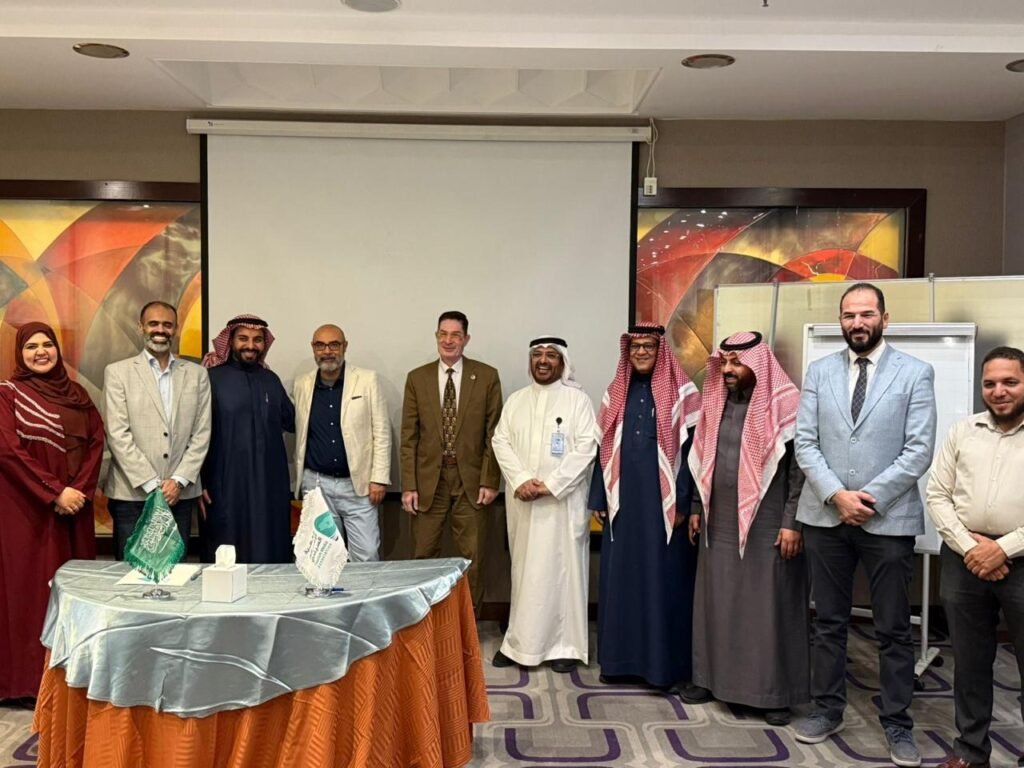
Discussions on capacity building for the non-profit sector, national models and joint studies — paving the way for a partnership agreement.

Europe has decades of practical experience in renewable energy, circular economy and sustainability policy. The value for Saudi partners lies in adapting that experience, not importing it.
Strong organizations produce impact that lasts. Maturity models give non-profits and their funders a shared language for where an organization is today and what to strengthen next.
We publish on cooperation that produced a result — including the parts that were difficult.