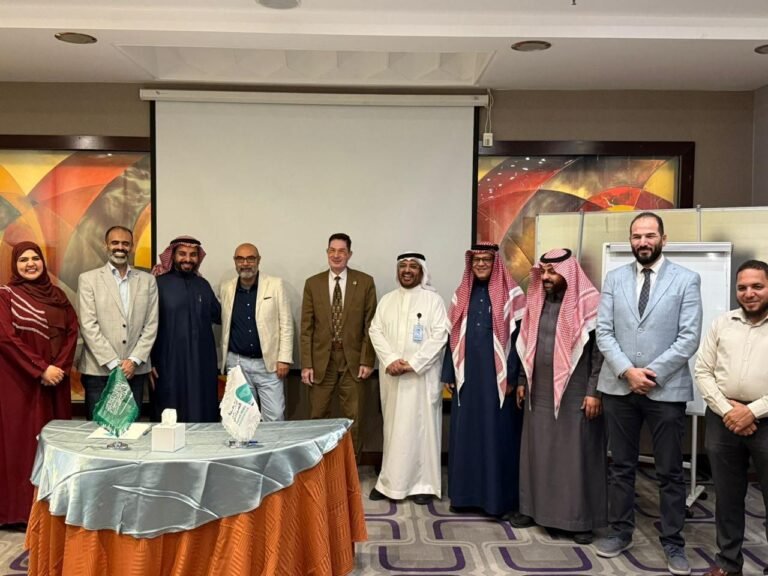
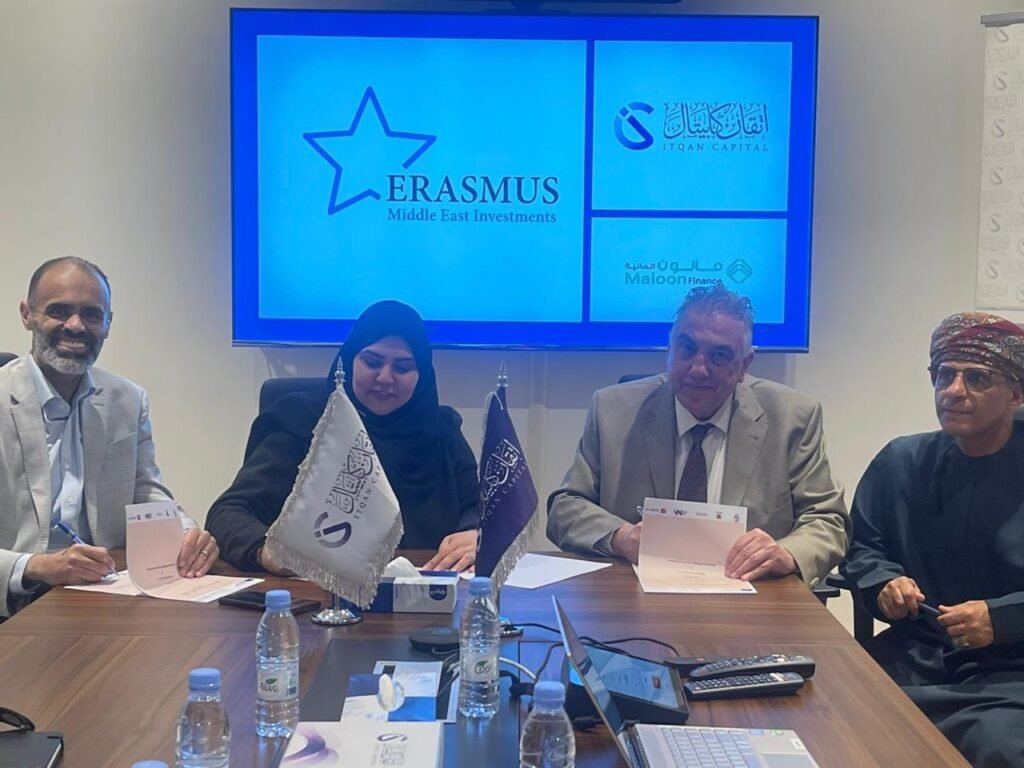
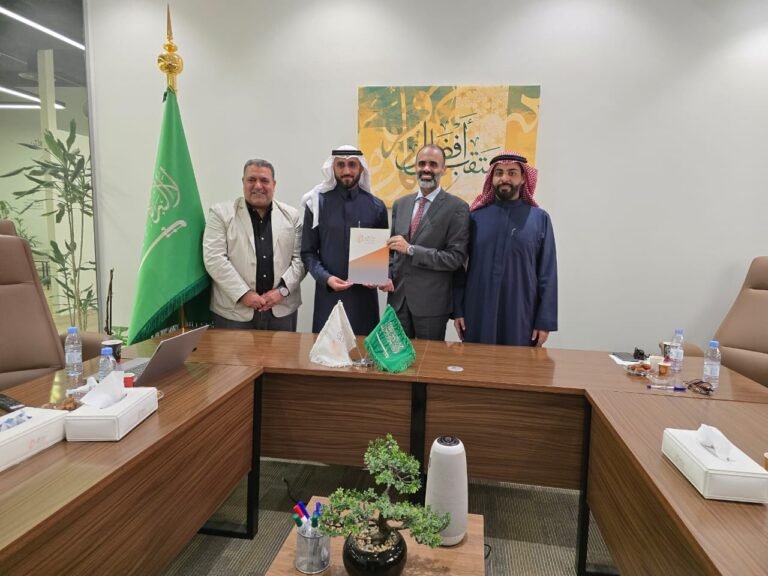
A signed memorandum is the most visible moment in a cooperation, and often the last one. The partnerships that survive are the ones designed for delivery before the signature.
A signed memorandum of understanding is the most visible moment in an international cooperation — and too often the last one. Photographs are taken, statements are issued, and then the agreement sits in a folder while both organizations return to their day-to-day priorities. The problem is rarely a lack of goodwill. It is the absence of a mechanism that turns shared intent into shared work.
The three gaps that stop a partnership
Ownership
An MoU signed at leadership level rarely names the people who will carry it forward. Without a named owner on each side, every follow-up depends on someone finding time for it.
Scope
Many agreements describe broad areas of cooperation rather than a first concrete activity. Broad intent is useful for alignment, but it gives no one a reason to start on Monday.
Resources
Cooperation costs money and staff time. When the agreement is silent on how the first activity will be funded, the partnership waits for a budget that no one has requested.
Designing for delivery before the signature
The partnerships that last are usually designed backwards: from the first joint activity to the agreement that makes it possible. Before a signature, it helps to answer five questions in writing — what the first activity is, who owns it on each side, how it will be funded, what a successful first year looks like, and how both parties will review progress.
None of these questions requires a long document. A two-page delivery annex attached to the MoU is often enough to change the dynamic, because it turns a ceremonial agreement into a work plan.
Why a coordinating party helps
Cross-border partnerships involve different institutional cultures, decision cycles and expectations about speed. A coordinating party that understands both environments can keep momentum between meetings, translate requirements in both directions and flag problems early — before a missed deadline becomes a lost relationship.
At Erasmus Middle East, this is the part of the work we treat as the core of the job: not the introduction, and not the signature, but the system that makes cooperation continue after both.